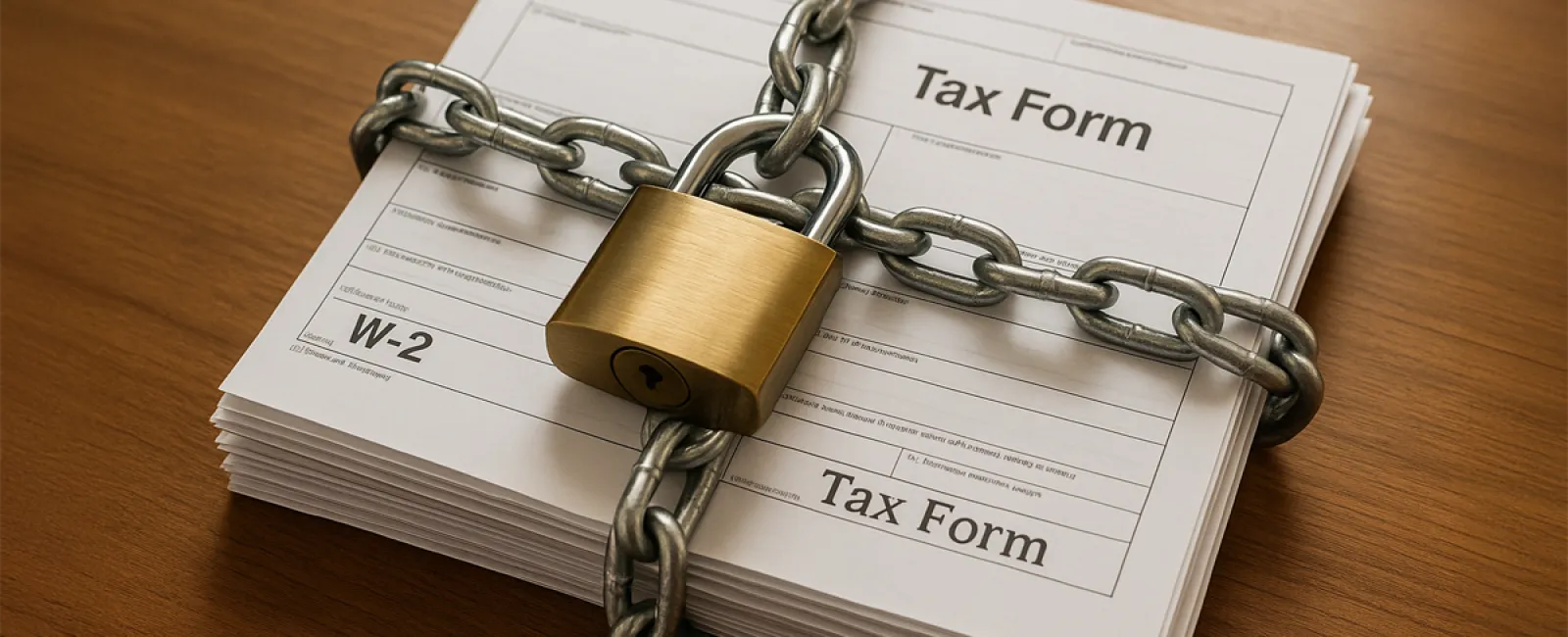
It's February, and tax season is suddenly in full swing. Accountants are busier than ever, bookkeepers are scrambling to gather vital documents, and everyone's focused on W-2s, 1099s, and looming deadlines.
But there's a hidden hazard that rarely makes it to the calendar: the initial major tax-season headache often comes from a scam.
One scam in particular tends to strike early—well before April—because it's simple, believable, and targets small businesses directly. It might already be lurking in an employee's inbox.
The W-2 Scam Explained: What You Need to Know
Here's how this scam unfolds:
An employee responsible for payroll or HR receives an email that appears to come from your CEO, owner, or a high-ranking executive.
The message is brief, urgent, and says something like:
"I need copies of all employee W-2s for a meeting with the accountant. Please send them ASAP—I'm swamped today."
Everything about it seems normal—the tone, the urgency. It fits right into the hectic pace of tax season, making the request appear reasonable.
The employee complies, sending the W-2s—only to discover the email was a fraudulent spoof, not from the real CEO.
That criminal now possesses every employee's:
• Full legal name
• Social Security number
• Home address
• Salary details
All the information needed to commit identity theft and file false tax returns ahead of your hardworking staff.
What Happens After Falling Victim
Usually, the victim's tax return gets rejected with a message like: "Return already filed for this Social Security number."
Someone else has already filed using their identity and pocketed the refund.
Your employee then faces a stressful battle involving the IRS, identity theft services, credit monitoring, and lengthy paperwork—all because of a single deceptive email.
Imagine this happening across your entire payroll. Explaining the breach to your team isn't just a security issue—it's a blow to trust, an HR crisis, a potential legal headache, and a serious reputation risk.
Why This Scam Is So Effective
Unlike typical scam emails, this one doesn't immediately raise suspicion.
It succeeds because:
• The timing is spot-on—February is prime time for W-2 requests, so no one finds it odd.
• The request makes perfect sense during tax season, unlike a demand for money or gift cards.
• The urgent tone fits naturally in a busy office setting.
• The sender's email looks authentic since scammers research and mimic real executives.
• Employees want to be helpful and often skip verification when urgency is implied.
Protecting Your Business from This Threat
The good news? You can stop this scam before it starts with smart policies and proactive culture.
Here are five essential rules:
1. Enforce a strict "no sending W-2s via email" policy. Absolutely no exceptions—even if the request looks like it's from the CEO.
2. Confirm any sensitive requests through an independent channel—phone calls, face-to-face, or chat using known contacts, not reply emails. This simple step takes seconds and prevents huge problems.
3. Hold a quick tax-scam training session immediately. Inform your payroll and HR teams about what to watch for now—don't wait until later.
4. Secure all payroll and HR systems with multi-factor authentication. If credentials get phished, MFA is the critical barrier stopping intruders.
5. Foster a culture that praises verification. Employees who double-check suspicious requests should be encouraged, not reprimanded. When caution is rewarded, scammers lose their advantage.
Simple to implement yet powerful enough to block the first wave of attacks.
Looking Beyond the W-2 Scam
The W-2 scam is just the beginning.
From now through April, expect a surge of tax-related cyber threats such as:
• Fraudulent IRS notices demanding immediate payment
• Phishing emails disguised as tax software updates
• Spoofed messages pretending to be your accountant with harmful links
• Fake invoices crafted to look like tax expenses
Criminals exploit tax season's busy atmosphere when financial requests seem routine.
Businesses that navigate tax season securely do so because they are prepared: they have clear policies, comprehensive training, and technology ready to intercept suspicious activity.
Is Your Business Prepared?
If your team is already trained and your policies are solid, you're ahead of most small businesses.
If not, there's no better moment than now to act—before the first scam attempt.
If this sounds familiar, schedule a quick 15-minute Tax Season Security Check.
We'll assess:
• Payroll and HR system access plus MFA coverage
• Your protocols for verifying W-2 requests
• Email defenses against spoofing
• The crucial policy adjustment many businesses overlook
If you're already protected, fantastic—but you probably know other business owners who need this advice. Share this article—it could save them a costly headache.
Click here or give us a call at 888-638-3621 to schedule your free 15-Minute Discovery Call.
Because tax season is stressful enough—don't let identity theft add to the burden.