When businesses think about cybersecurity, they often imagine distant hackers trying to force their way in. Yet some of the most serious risks are much closer to home. In many cases, the biggest threats come from people already inside your organization.
Employees, contractors, vendors, partners and even leadership can create serious exposure through deliberate misuse or simple oversight. By learning how insider threats work, spotting the early warning signs and responding quickly, you can reduce the chance of a disruptive and expensive breach.
6 common types of insider threats
Insider threats take many forms, and each one can put your business at risk in a different way:
1. Data theft
Data theft happens when someone inside your company steals or shares sensitive information for personal benefit or harmful intent. This can include copying confidential files, downloading protected data or physically taking devices that contain private business information.
2. Sabotage
Sabotage occurs when a frustrated employee, activist or competitor intentionally harms your organization by deleting files, infecting systems or blocking access to essential tools and applications.
3. Unauthorized access
Unauthorized access happens when someone views or obtains information they have no valid reason to see. Sometimes the intent is malicious, but in other cases employees simply access data beyond the scope of their role without understanding the risk.
4. Negligence and mistakes
Not every insider threat is intentional. Careless handling of data, skipped security steps and preventable errors can expose your business just as quickly as a deliberate attack.
5. Credential sharing
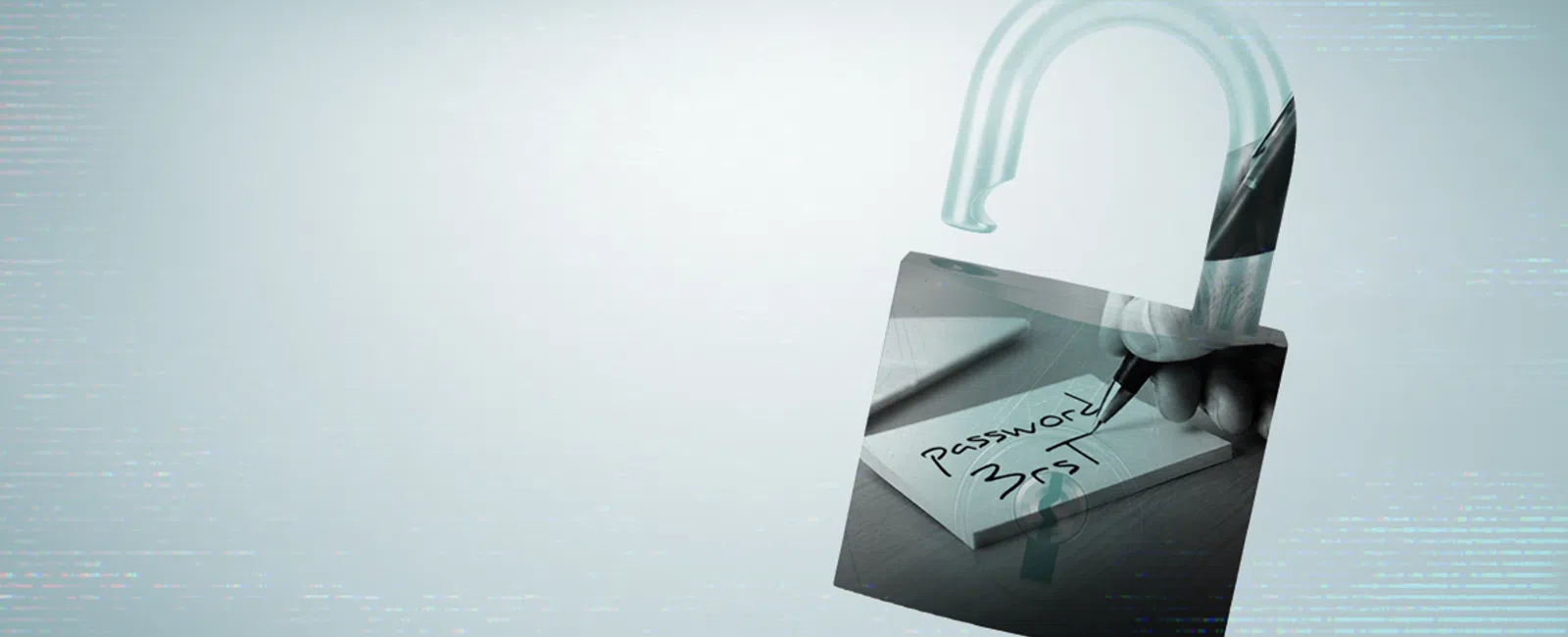
Sharing passwords is like giving someone the keys to your office and hoping they never use them. Once credentials are shared, you lose control over who can access your systems, which increases the risk of breach and misuse.
6. Unauthorized AI use
Employees may turn to unapproved AI tools and unintentionally expose confidential company data or customer information to platforms your business hasn't reviewed or authorized.
Warning signs to watch for
The sooner you detect an insider threat, the easier it is to limit the damage. Make sure your team knows how to recognize these common red flags:
- Unusual access behavior: An employee suddenly begins viewing confidential information that has nothing to do with their role.
- Large data movements: Someone starts downloading unusual amounts of customer information or transferring files to external devices.
- Repeated permission requests: A person continues asking for access to sensitive systems without a clear business need.
- Use of unauthorized devices: Confidential data is being accessed from personal laptops or other unapproved hardware.
- Security controls being disabled: An individual turns off antivirus protection, firewall settings or other safeguards.
- Unapproved AI activity: Employees share company or customer data with public AI tools that haven't been cleared by your business.
- Noticeable behavior shifts: A team member becomes unusually secretive, misses deadlines or shows signs of elevated stress.
One warning sign alone doesn't prove wrongdoing, but repeated patterns should never be ignored. The faster you notice them, the better prepared you are to act.
Strengthen security from the inside
Use these five steps to build a stronger cybersecurity foundation and help protect your business from internal risk:
- Set a strong password policy and require multi-factor authentication (MFA) whenever possible.
- Limit access so employees can only use the systems and data needed for their specific roles. Review permissions regularly.
- Train employees on insider threat awareness, security best practices and the safe use of AI tools.
- Back up critical data on a consistent schedule so recovery is faster after a loss event.
- Create a detailed incident response plan that explains how to handle insider threat events and establishes clear rules for AI use and sensitive data handling.
Get help before threats escalate
Protecting your business from insider threats can be stressful, especially when you're trying to manage everything on your own.
That is why having the right IT partner matters. We help businesses put the right security controls, monitoring systems and response strategies in place so they can stay protected from the inside out. Whether you are building a plan from the ground up or improving your current defenses, our team is ready to help.
Ready to take the next step? Click here or give us a call at 888-638-3621 to schedule your free 15-Minute Discovery Call.